The Complete Guide to Virtual Tours: Detailed Formats, Use Cases, and How Skylight360 Delivers Immersive Digital Experiences
Introduction
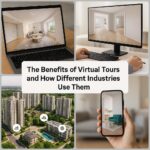
Virtual tours have become essential for exploring spaces remotely with clarity and precision. Whether it is a residential property, commercial space, resort, school campus, museum, or plotted development, these digital experiences offer transparency and engagement that traditional photos cannot match.
At Skylight360, we create Virtual Tours 360, 3D virtual tours, 3D walkthrough videos, interactive drone tours, and AR visualizations. This guide explains each format in detail and highlights how different industries benefit from them.
What Are Virtual Tours?
A virtual tour is a digital simulation of a space, either existing or conceptual, that allows people to explore it remotely. These experiences may include 360 degree panoramas, 3D navigation, cinematic walkthrough videos, drone based aerial tours, AR overlays, and more.
Virtual tours are commonly used in real estate, hospitality, education, commercial spaces, museums, industrial environments, and plotted development.
Virtual Tours 360 (360 Degree Panoramic Tours)
What it is
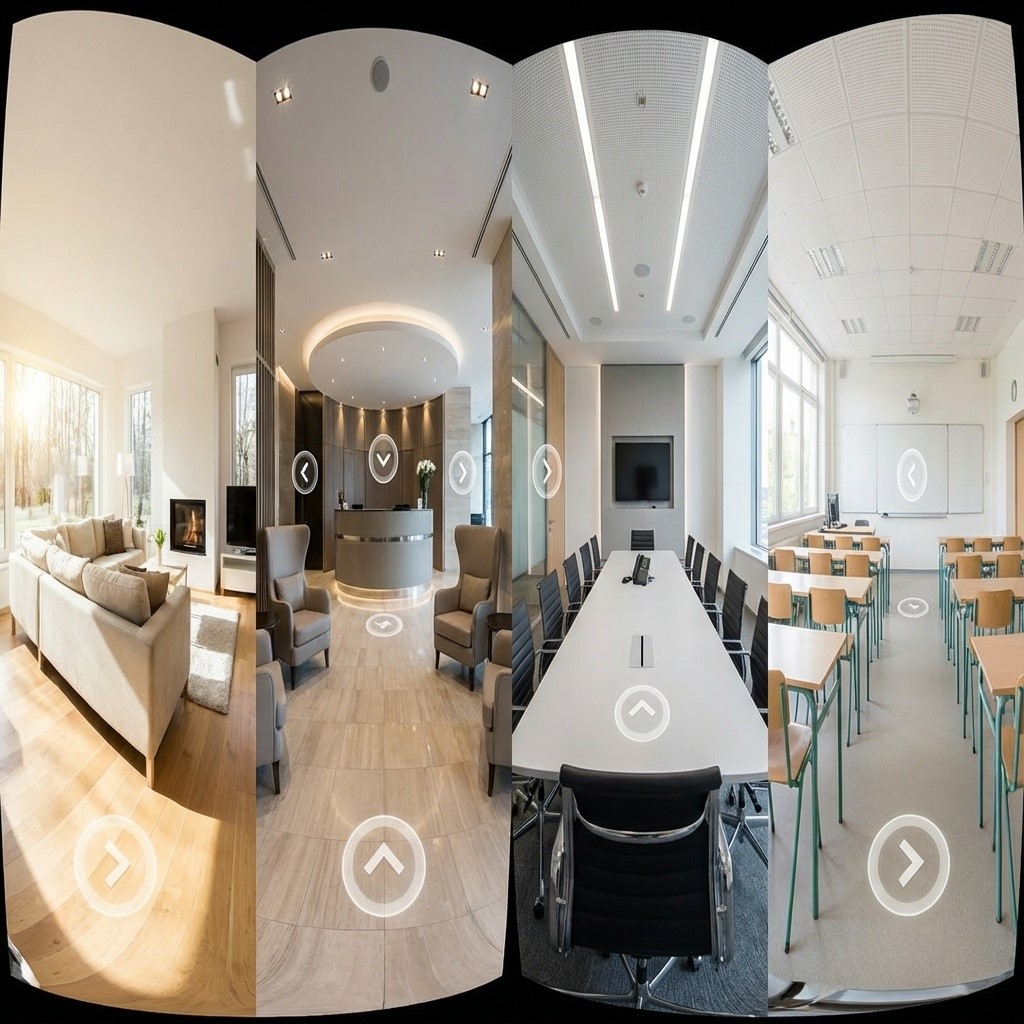
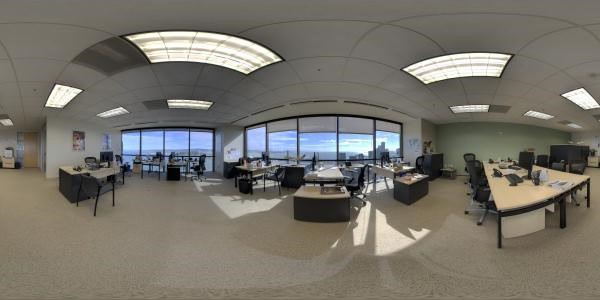
A Virtual Tour 360 is created using high-resolution 360-degree photographs captured at multiple points inside a space. These images are then stitched together to form a seamless, interactive environment where the viewer can look up, down, and all around, just as they would in real life. Users can navigate between different rooms or areas using hotspots, creating a smooth and intuitive exploration experience. Since it uses actual photographs, the result is a true-to-reality representation of the space.
Best for
• Ready-to-move homes and rental properties
• Hotel rooms, suites, lobbies, and amenities
• Corporate offices and meeting rooms
• Classrooms, laboratories, libraries, and campus spaces
• Coworking environments with multiple zones
• Wellness centers, clinics, gyms, and spas
360 tours work especially well where the space already exists and needs to be shown exactly as it is.
Why it works
Virtual Tours 360 give viewers a highly accurate and trustworthy preview because everything shown is real, not rendered. This makes it easier for customers to evaluate:
• Space quality and cleanliness
• Interior design and room layout
• Lighting, ambiance, and furniture arrangement
• Proximity of amenities or rooms
• Overall feel of the environment
By offering a transparent, immersive look inside the space, 360 tours significantly increase buyer confidence, reduce unnecessary site visits, and help audiences make faster decisions.
3D Virtual Tours (Interactive 3D Walkthroughs)
What it is
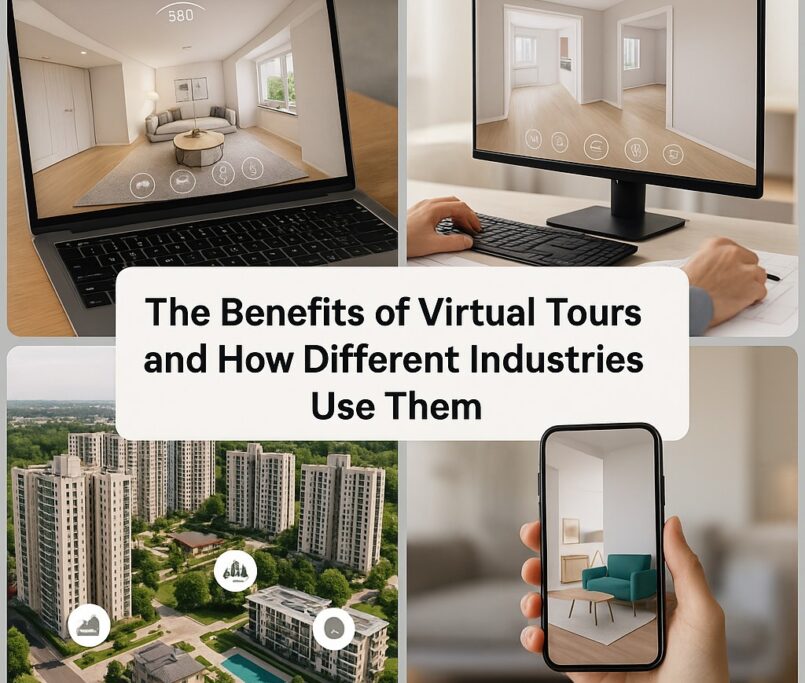
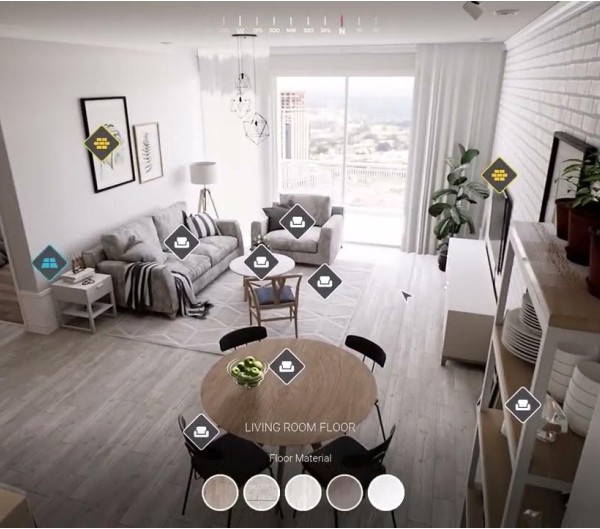
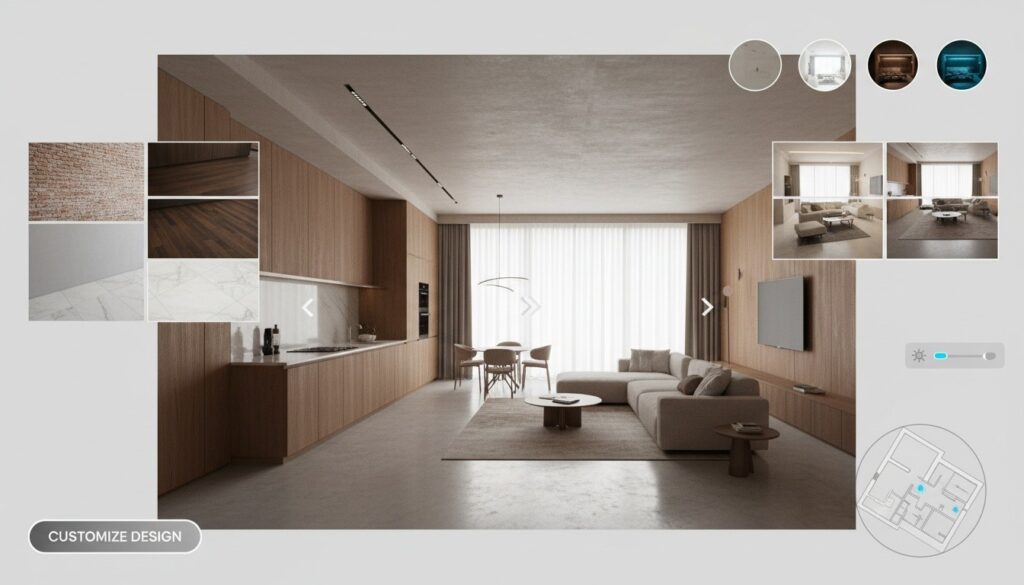
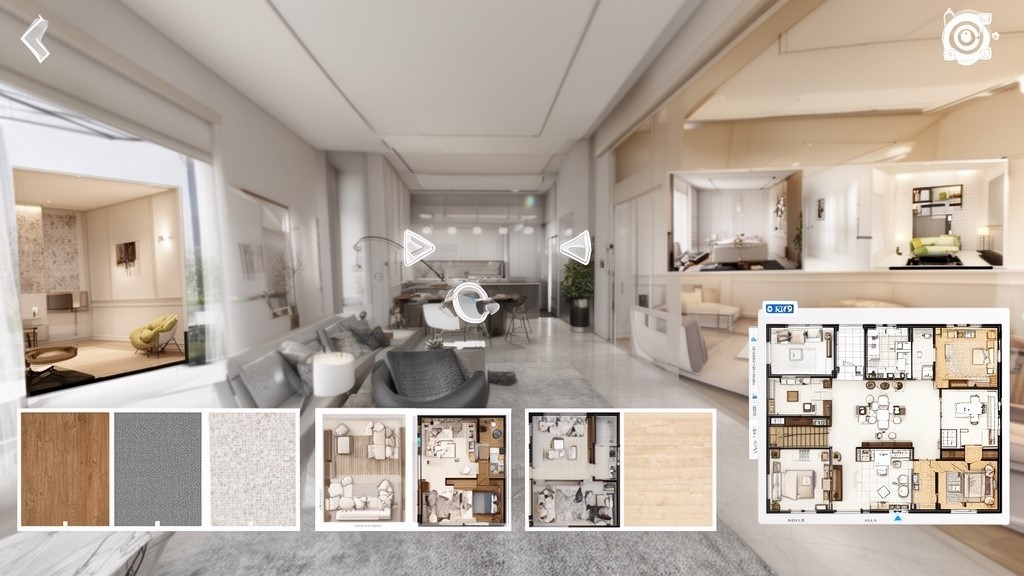
A 3D virtual tour is an immersive and fully navigable digital environment created using 3D modeling and architectural data. Instead of relying on photographs, these tours are designed using CAD drawings, floor plans, and design specifications. This allows developers and designers to showcase a space before it is physically built.
Users can move freely from room to room, change angles, zoom in on details, and explore the property at their own pace. Since everything is computer generated, every detail can be customized such as:
• Wall colors and textures
• Flooring materials
• Furniture placement and style
• Lighting conditions
• Interior and exterior finishes
• Architectural elements and decor themes
This format is ideal for turning conceptual plans into a realistic and interactive experience.
Best for
• Pre-launch real estate projects
• Interior design proposals
• Plotted development projects
• Architectural approvals and design review meetings
• Marketing presentations and sales galleries
3D virtual tours help audiences understand a future space with clarity.
Why it works
3D virtual tours help buyers visualize the scale, flow, and interior experience of a property long before construction begins. They answer important questions that drawings or static renders cannot communicate clearly, such as:
• How large does each room feel
• How spaces connect and transition
• How natural or artificial lighting impacts the interior
• How furniture fits into the layout
• What the overall design character of the space will be This leads to faster decision making, higher pre-booking conversions, better investor presentations, and reduced confusion during design approval stages.
3D Virtual Tours (Interactive 3D Walkthroughs)
What it is
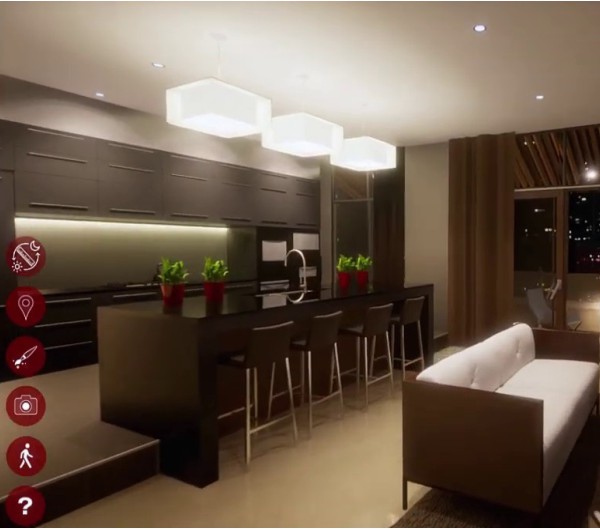
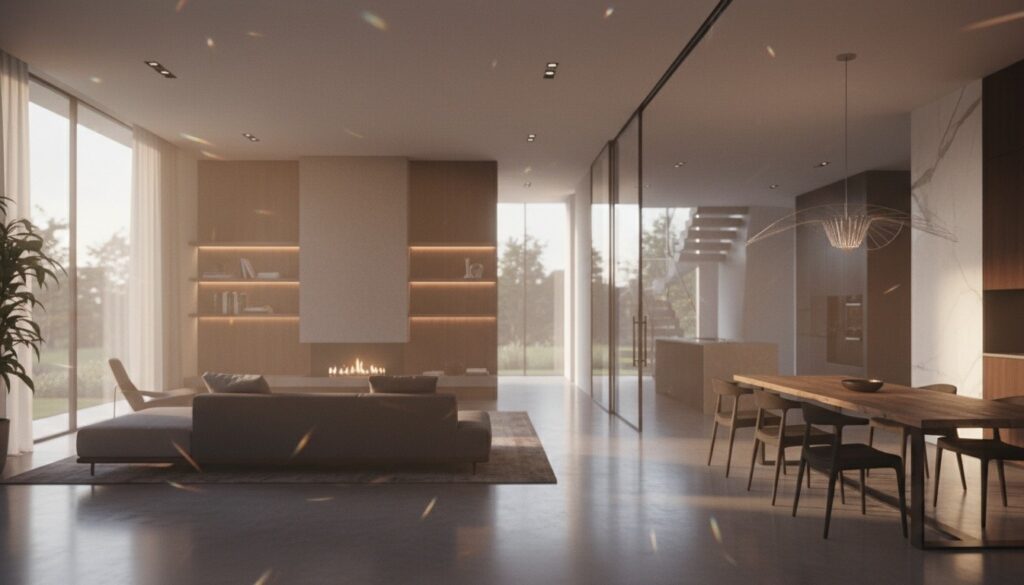
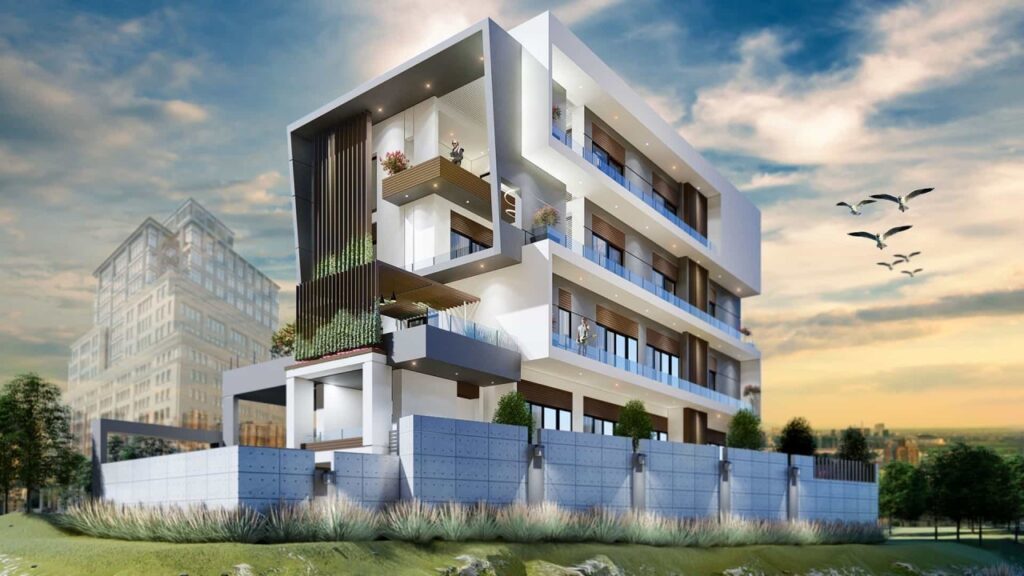
A 3D walkthrough video is a cinematic and guided flythrough created from a fully modeled 3D environment. Instead of letting the viewer navigate freely, the camera follows a smooth and intentional path that showcases the most important parts of the space. This format highlights design, lighting, ambiance, and the overall flow of the property in a visually rich and emotionally engaging way.
The video often includes carefully chosen camera angles, realistic shadows and reflections, atmospheric lighting, and background music that reinforces the mood. The experience feels similar to watching a professionally shot property film, but it is generated entirely through advanced 3D rendering.
These videos are highly effective when the goal is strong visual storytelling that captures attention within a few seconds.
Best for
• High impact marketing campaigns for real estate
• Resort and hospitality showcases
• Investor presentations and pitch decks
• Pre-launch promotions for residential and commercial projects
• Social media ads and teaser videos
• Walkthroughs for sample flats, clubhouses, and amenities
3D walkthrough videos are often used as the first impression content because they communicate the project vision very quickly and clearly.
Why it works
A well produced 3D walkthrough video creates an emotional connection with the viewer. It shows the space with polished movements, dramatic lighting, and atmospheric music, which helps the audience imagine themselves in the environment.
This format helps viewers understand:
• The flow from one room to another
• The spaciousness and proportions
• The interior design theme and material quality
• The lighting mood and overall ambience
• The lifestyle or experience associated with the property Because the video is visually appealing and easy to consume, it improves engagement, boosts marketing performance, and increases lead conversion. It is a powerful tool for capturing attention in presentations, websites, exhibitions, and advertisements.
Drone Interactive Tours
What it is
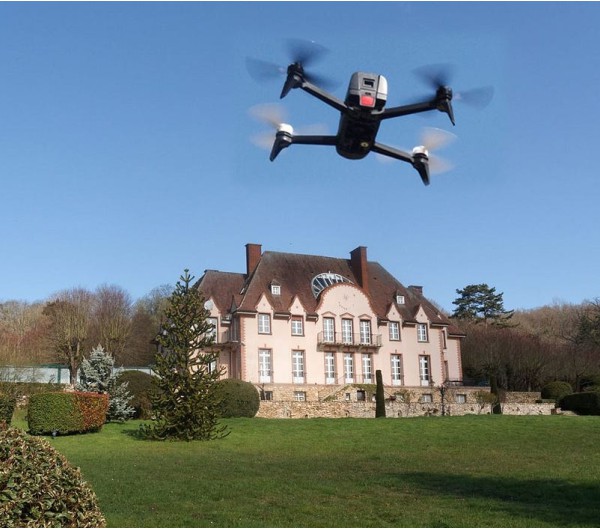
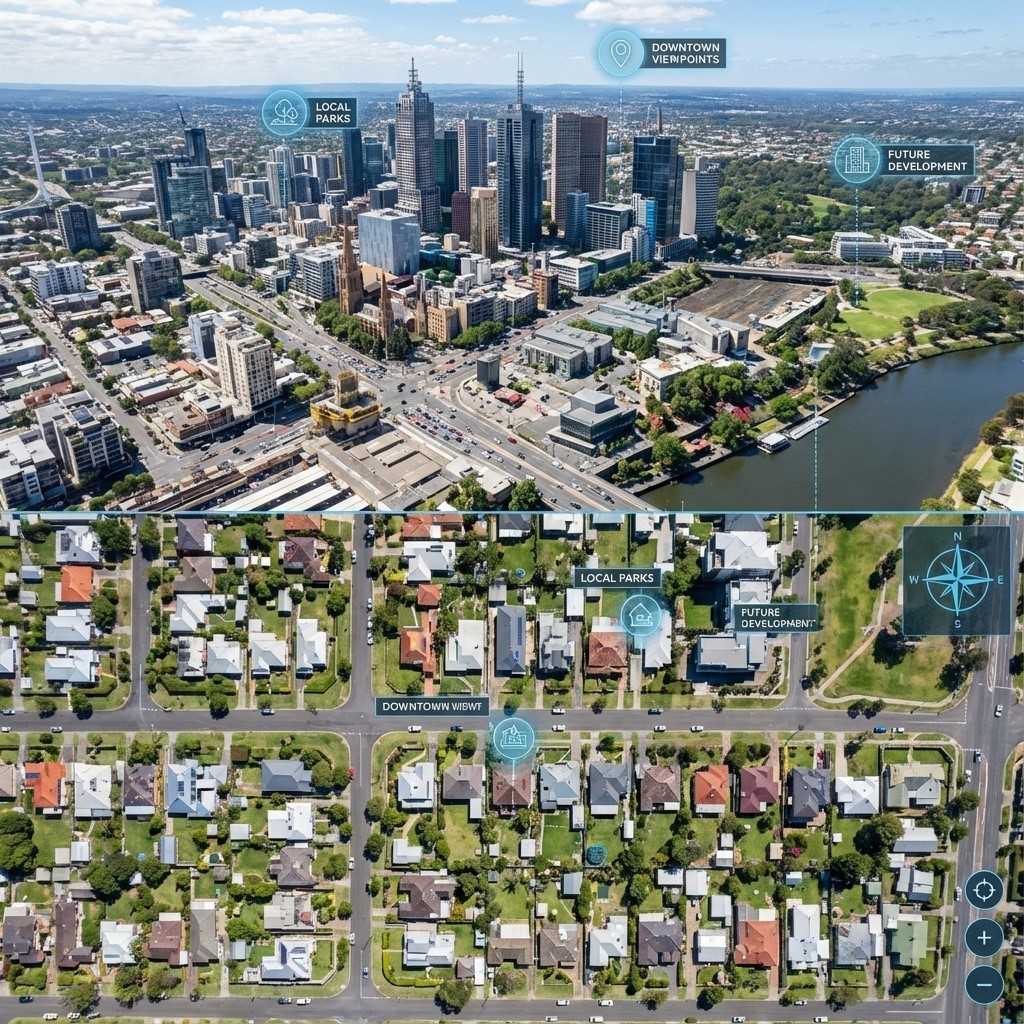
A drone interactive tour is a digital experience built using actual drone footage captured from a completed property or development site. Unlike 3D simulations, this format uses real visuals that show the property exactly as it exists. The drone footage is enhanced with interactive elements that allow users to move between different aerial viewpoints, zoom in and out, explore amenities, and understand the overall layout with clarity.
Viewers can shift from a top view to angled views, switch between specific buildings or blocks, and open hotspots that provide additional information about amenities or nearby landmarks. This creates an engaging, realistic overview of the location and its surroundings.
Best for
• Ready to move apartments
• Completed gated communities
• Commercial buildings and office campuses
• Resorts and hotels
• Schools and college campuses
• Fully developed plotted layouts
• Mixed use developments
This format is ideal when the goal is to showcase a real and completed environment from an aerial perspective.
Why it works
Drone interactive tours provide a quick and clear understanding of the site and its surroundings. They help viewers see the road network, entry and exit points, the placement of towers or buildings, proximity to amenities, overall landscape planning, and the locality around the property.
Buyers and investors often use this format to evaluate:
• How well planned the layout is
• How close amenities are to different blocks
• Traffic flow and accessibility
• Neighborhood context and development around the site
• Scale and spacing between structures
This leads to faster decision making, lower dependency on physical site visits, and stronger trust because the visuals are completely real.
AR Visualizations
What it is
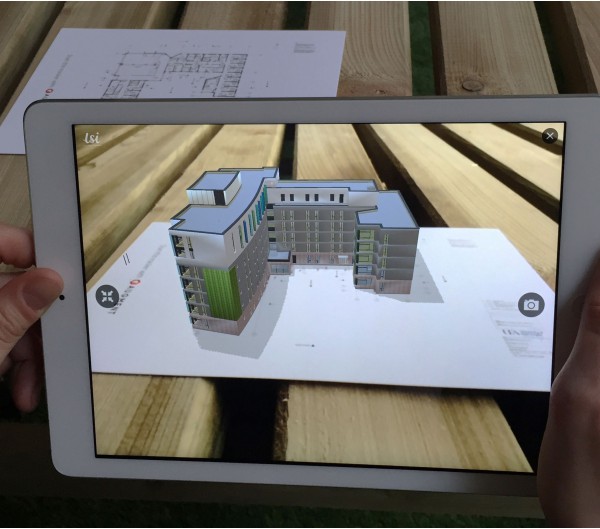
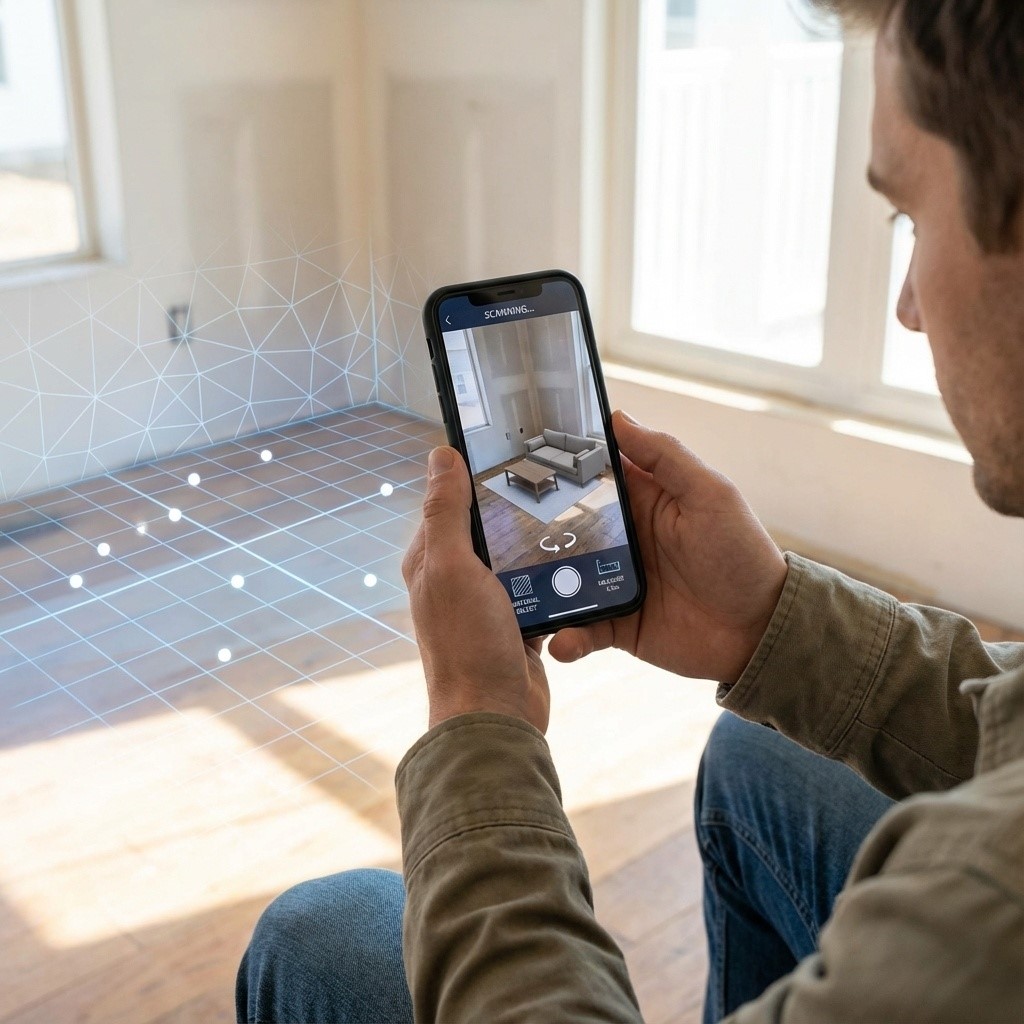
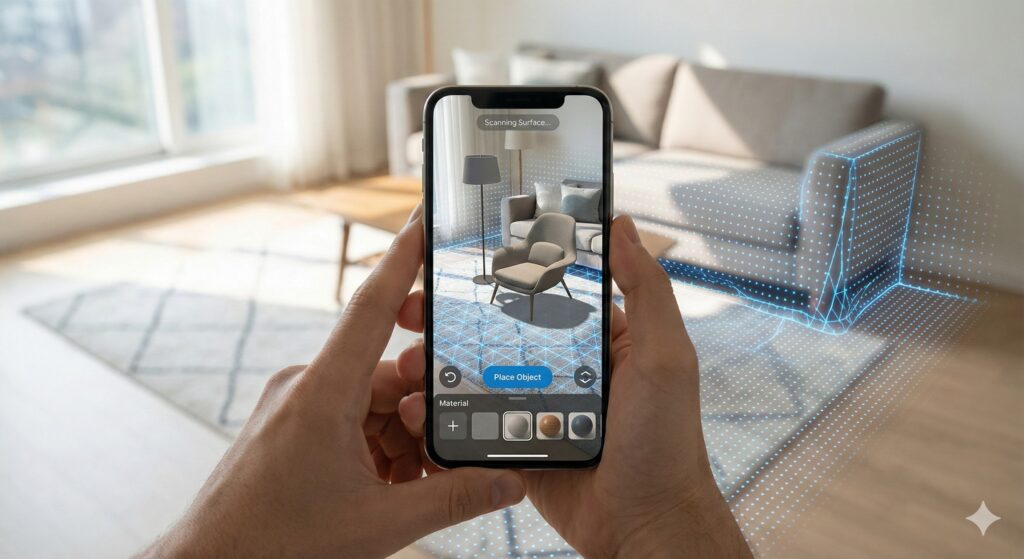
AR visualization uses augmented reality to project a 3D model of a room, building, or layout into the real world through a mobile device. Users can view the model on their phone or tablet and walk around it as if it physically exists in front of them. This makes it possible to understand scale, design, and placement with accuracy.
AR visualizations can represent interiors, furniture arrangements, modular units, sample villas, room layouts, and architectural concepts. The user can rotate the model, position it in real space, or change materials and colors depending on the design options provided.
Best for
• Interior design previews
• Sales center demonstrations
• Furniture placement and layout testing
• Visualizing house models in plotted development sites
• Renovation and remodeling concepts
• Showcasing standalone units or installations
AR is particularly effective when clients need to understand how a design will fit into a real space.
Why it works
AR allows people to see and interact with a future design inside their real environment. This removes guesswork and helps clients understand:
• True scale and dimensions
• How furniture or layouts fit into the area
• Whether the design complements the existing surroundings
• How a finished space will look before any work begins It improves confidence and speeds up approval processes because the experience is visual, intuitive, and realistic.
Matterport / Laser Scanning
What it is
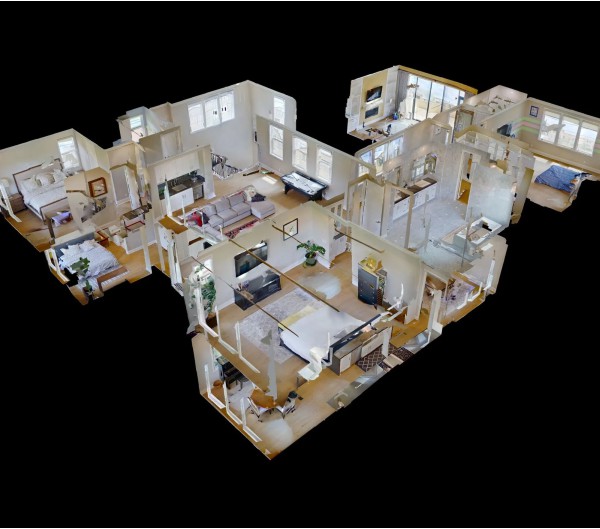
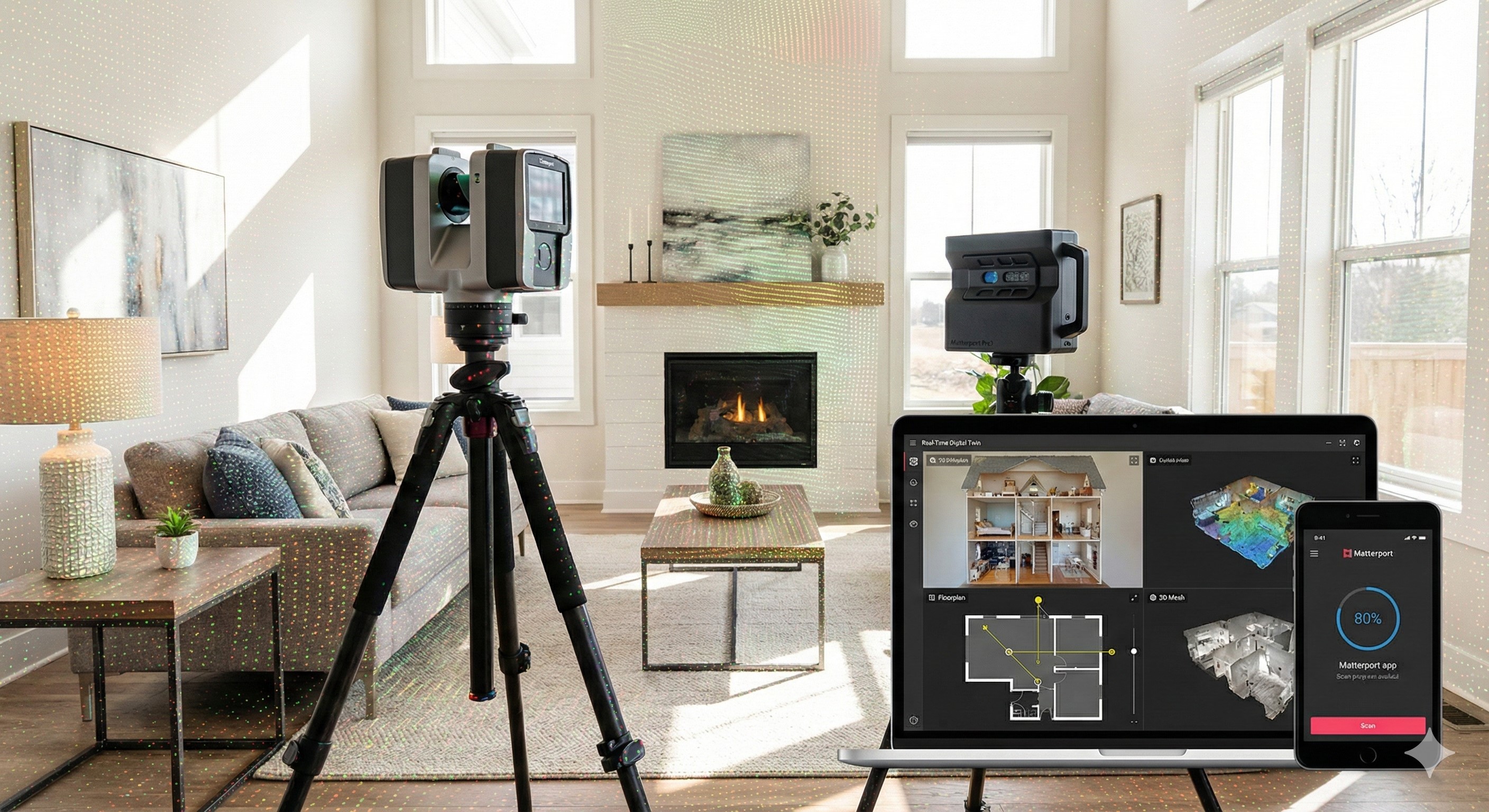
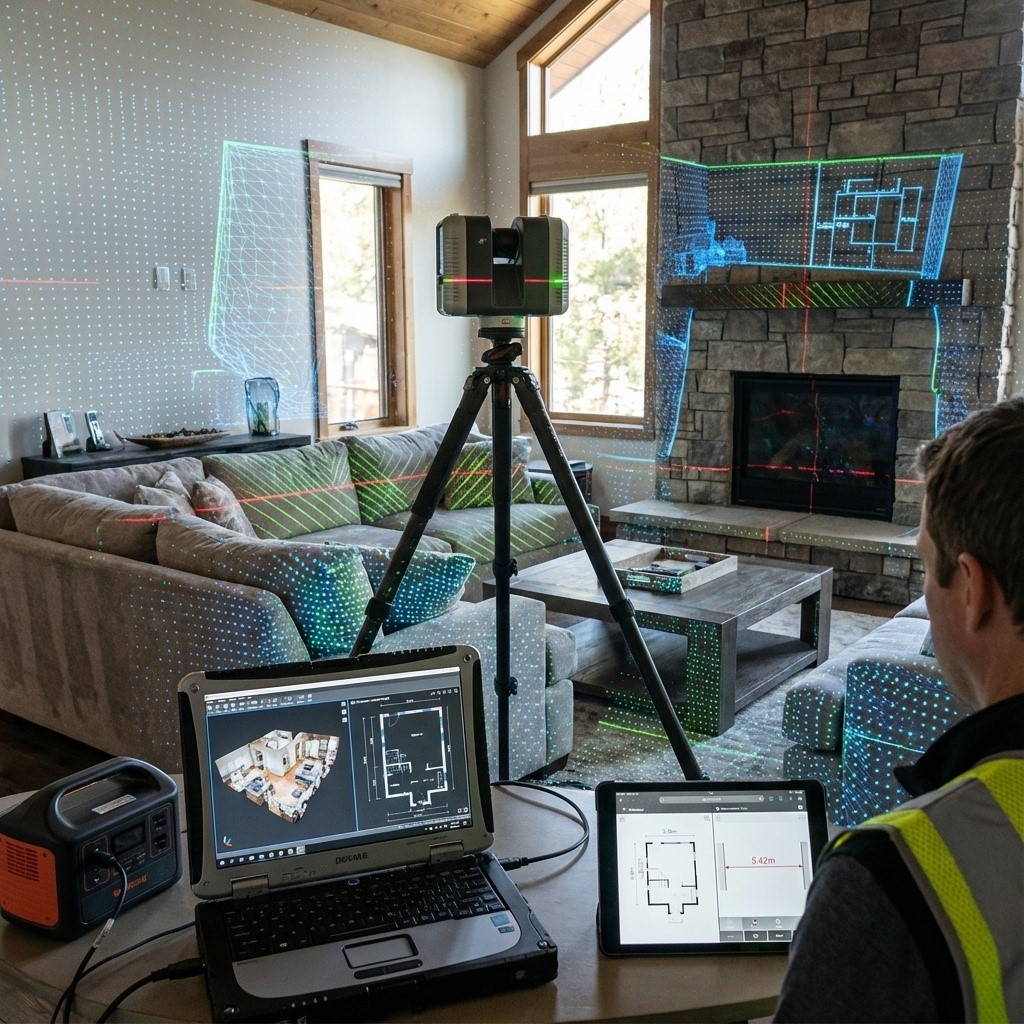
Matterport and laser scanning technologies capture real spaces with high precision using specialized cameras and scanning equipment. The result is a digital twin of the physical environment, which can be explored through a 3D viewer. This is not a modeled or designed space. Instead, it is an accurate scan that preserves measurements, textures, and spatial relationships exactly as they exist.
The output often includes a dollhouse view, floorplan view, walkthrough mode, and the ability to take precise measurements inside the scan. This makes it extremely useful for documentation and operations.
Best for
• Real world documentation of completed spaces
• Rental properties and property management
• Commercial real estate listings
• Industrial facilities and warehouses
• Healthcare institutions
• Hotels and hospitality interiors
• Facility audits and compliance checks
Matterport and laser scanning are widely used when the goal is to capture an exact digital record of a space.
Why it works
This technology provides an accurate, measurable, and highly detailed representation of the real environment. It helps users understand:
• Exact room sizes and dimensions
• Current conditions of buildings or interiors
• Structural and design features
• Equipment and asset placement
• Compliance and safety considerations
These scans save time, reduce the need for repeated physical inspections, and support maintenance, auditing, leasing, and renovation planning.
Conclusion
Virtual tours are transforming how people explore and evaluate spaces. Whether through Virtual Tours 360, 3D virtual tours, 3D walkthrough videos, drone interactive tours, AR visualizations, or laser scanning, these technologies deliver convenience, clarity, and deeper engagement.
Skylight360 provides complete virtual tour solutions for real estate, hospitality, education, commercial properties, plotted development, and other sectors that benefit from immersive digital experiences. Each format helps clients present their spaces with greater transparency and impact.