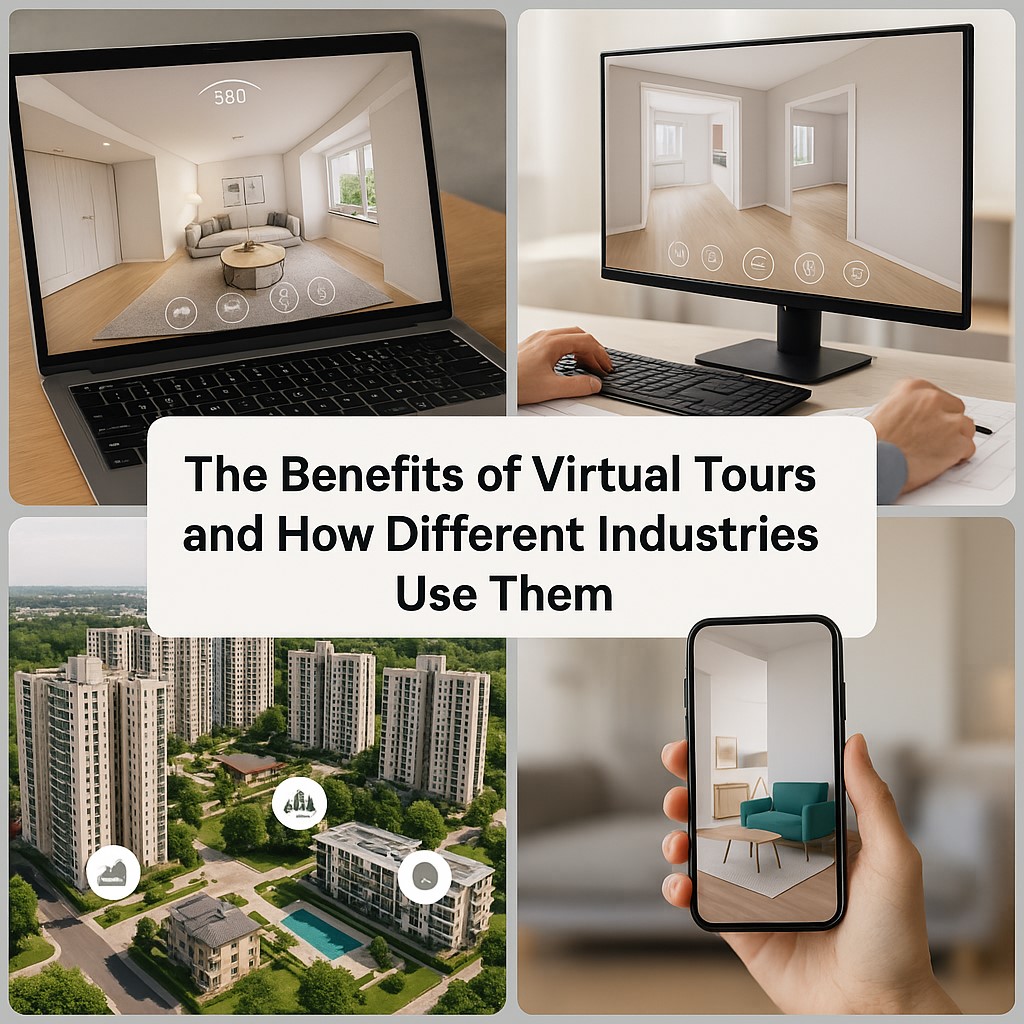
The Benefits of Virtual Tours and How Different Industries Use Them to Improve Engagement and Decision Making
Introduction
Virtual tours have become an essential communication and marketing tool for industries that rely on physical spaces. Instead of depending on photos, brochures, or repeated site visits, businesses now use virtual tours to provide remote access, build trust, increase engagement, and deliver a realistic understanding of their environments.
From real estate and hospitality to education, healthcare, and commercial infrastructure, virtual tours help audiences explore spaces with transparency and convenience. This blog explains how various sectors use virtual tours and why these experiences have become a valuable part of modern customer journeys.
Use Cases and Benefits Across Industries
Below is a detailed look at how virtual tours directly support different sectors and the measurable advantages they offer.
1. Residential Real Estate
Why they use virtual tours
Homebuyers want clarity before visiting a property. Virtual tours allow them to evaluate the layout, finishes, room sizes, sunlight, and overall ambiance without physically being present.
Key benefits
• Reduces unnecessary site visits
• Helps NRI and out of city buyers explore remotely
• Shortens decision making time
• Improves lead quality and conversion
Common virtual tour formats used
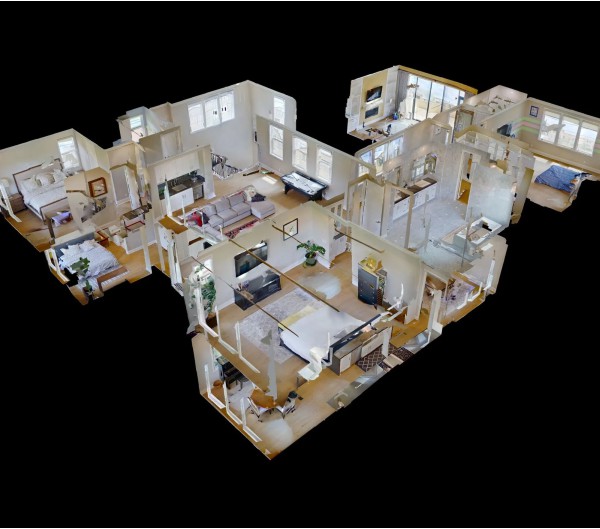
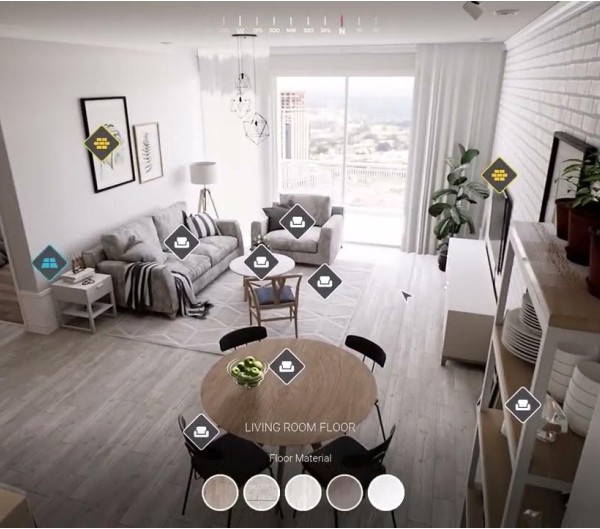
• Virtual Tours 360 for ready units
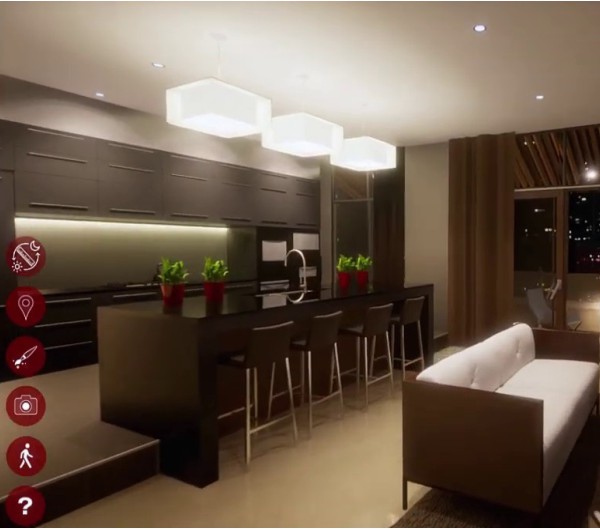
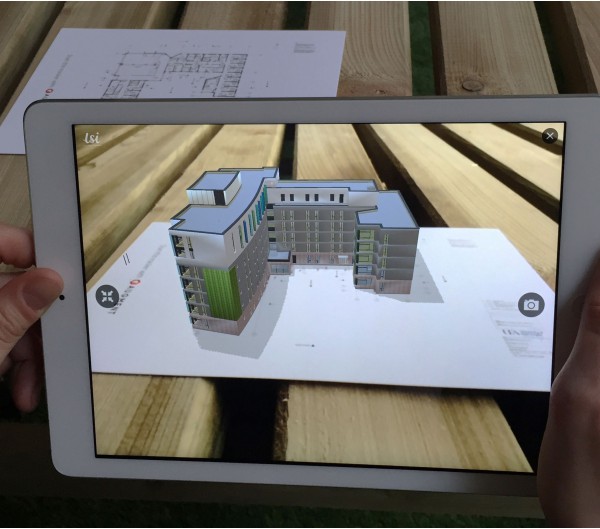
• 3D virtual tours for upcoming developments
• 3D walkthrough videos for marketing
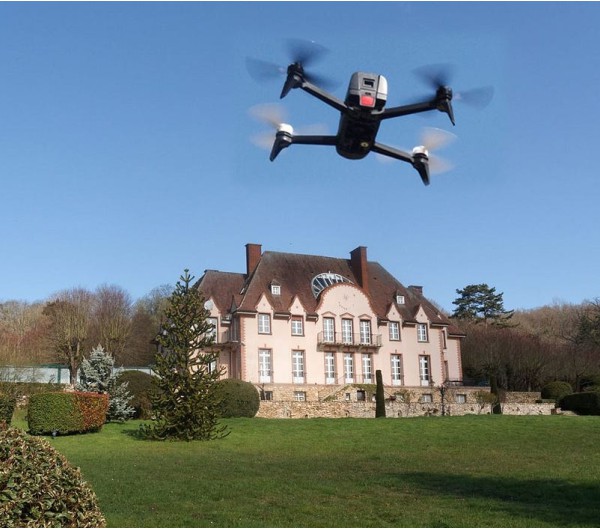
• Drone interactive tours for completed communities
Virtual tours have become a standard expectation for modern property listings.
2. Commercial Real Estate
Why they use virtual tours
Businesses often compare multiple office spaces. Virtual tours allow tenants to understand floor plans, seating potential, facilities, and layouts without multiple physical tours.
Key benefits
• Saves time for leasing teams
• Reduces travel and scheduling complexities
• Helps companies evaluate space suitability
• Increases transparency for corporate clients
Common formats
• 360 tours for ready offices
• 3D virtual tours for proposed fit outs
• Drone tours for large campuses
This improves leasing speed and attracts higher quality leads.
3. Coworking Spaces
Why they use virtual tours
Coworking buyers explore several locations before choosing a workspace. Virtual tours allow them to see seating zones, meeting rooms, breakout areas, cafes, and event halls instantly.
Key benefits
• Faster inquiries
• Higher walk in conversion
• Better branch comparison
• Stronger digital presence for the brand
Coworking brands benefit significantly from online visibility and accurate space representation.
4. Hospitality, Hotels and Resorts
Why they use virtual tours
Guests want to know what they are booking. Virtual tours help them explore rooms, lobbies, pools, dining spaces, spas, and event venues before confirming reservations.
Key benefits
• Higher booking confidence
• Reduced cancellations
• Improved online reputation
• Enhanced storytelling for resorts and premium hotels
Virtual tours act as a digital showroom for hospitality spaces.
5. Schools and Colleges
Why they use virtual tours
Parents and students often shortlist institutions remotely. A virtual campus tour allows them to explore classrooms, labs, libraries, auditoriums, hostels, and sports grounds before visiting.
Key benefits
• Stronger first impression during admissions
• Wider reach to out of city or international students
• Transparent communication about facilities
• Reduced physical campus visits
Institutions use them for both admissions and branding.
6. Plotted Development and Townships
Why they use virtual tours
Large developments require clarity about road networks, plot sizes, amenity placement, and overall master planning. Virtual tours help buyers understand everything instantly.
Key benefits
• Clarity on layout and access
• Better understanding of plot positioning
• Enhanced sales center presentations
• Reduced customer confusion
Common formats
• Drone interactive tours for real site views
• 3D virtual tours for sample villas and clubhouses
Virtual tours help buyers imagine life within the community.
7. Museums and Cultural Spaces
Why they use virtual tours
Visitors want easy access to exhibits, and institutions aim to reach global audiences. Virtual tours allow users to explore galleries, artifacts, sculptures, and interactive displays online.
Key benefits
• Increased digital engagement
• Revenue from virtual exhibitions
• Global visibility
• Educational outreach and accessibility
Museums use virtual tours to preserve culture and broaden their audience.
8. Hospitals and Healthcare Facilities
Why they use virtual tours
Patients and families want clarity before choosing a healthcare provider. Virtual tours help them understand departments, rooms, diagnostic areas, and key facilities.
Key benefits
• Reduces anxiety and improves trust
• Helps patients prepare better
• Supports transparency and safety communication
• Beneficial for international patients exploring medical tourism
Hospitals use virtual tours to build credibility and improve patient experience.
9. Manufacturing and Industrial Facilities
Why they use virtual tours
Industrial plants require detailed walkthroughs for clients, auditors, and internal teams. Virtual tours provide a safe and accurate way to review facilities without entering operational areas.
Key benefits
• Remote audits and inspections
• Better client onboarding
• Clear documentation for compliance
• Reduced need for repeated site visits
Common formats
• Matterport and laser scanning for documentation
• 360 tours for training and safety reviews
Virtual tours help industries operate efficiently and communicate technical information clearly.
How Skylight360 Supports These Experiences
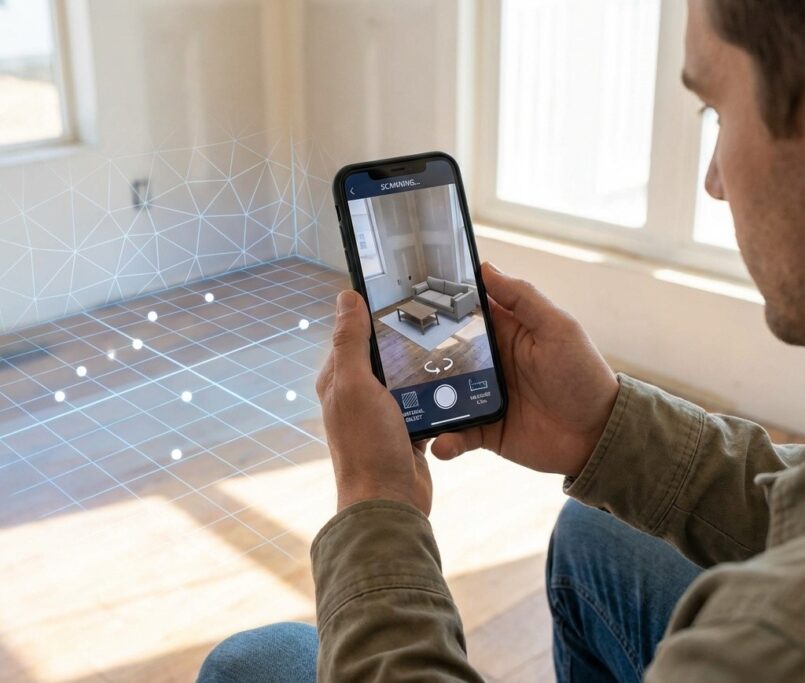
Skylight360 works with businesses across real estate, hospitality, education, commercial infrastructure, plotted development, coworking spaces, museums, and industrial sectors. We provide Virtual Tours 360, 3D virtual tours, 3D walkthrough videos, drone interactive tours, and AR based visualization solutions.
Our focus is to help organizations present their spaces with clarity, accuracy, and professional storytelling. We design each virtual experience to improve engagement, support decision making, and reduce dependence on physical visits.
Conclusion
Virtual tours have become a powerful tool for showcasing spaces and improving customer understanding across all major industries. They offer transparency, convenience, and realism that help buyers, guests, students, patients, and clients make informed decisions. As audiences increasingly prefer digital exploration, virtual tours play an important role in enhancing brand visibility and customer trust. Businesses that adopt virtual tours position themselves as modern, user friendly, and future ready. With the right virtual experience partner, they can communicate their value with greater clarity and impact.